

Recording yourself as a musician can be an intimidating task, especially when the stakes are high, like audition tapes for competitions or conservatory applications. But fear not! With insights from a Juilliard graduate and the support of platforms like TakeStage, mastering the art of self-recording is within reach. Let’s dive into some expert tips to help you present your talent confidently and professionally.
Understanding Your Space
Before hitting the record button, take some time to understand the acoustics of your recording space. The room you choose can significantly affect the quality of your sound. Ideally, you want a space that enhances your music rather than distorting it.
Here are some tips to optimize your space:
- Choose a quiet room: Minimize background noise by selecting a location away from street sounds, household chatter, or appliances.
- Mind the acoustics: Rooms with too much echo can muddle your sound. Consider adding soft furnishings or using bookcases to absorb and diffuse sound waves.
- Test the sound: Perform a few test recordings to understand how your music interacts with the room. Adjust your setup as needed for the best clarity and resonance.
Selecting the Right Equipment
While TakeStage simplifies the recording process, having the right equipment can enhance your recordings even further. You don’t need to break the bank, but investing in a few key tools can make a significant difference.
Consider these essentials:
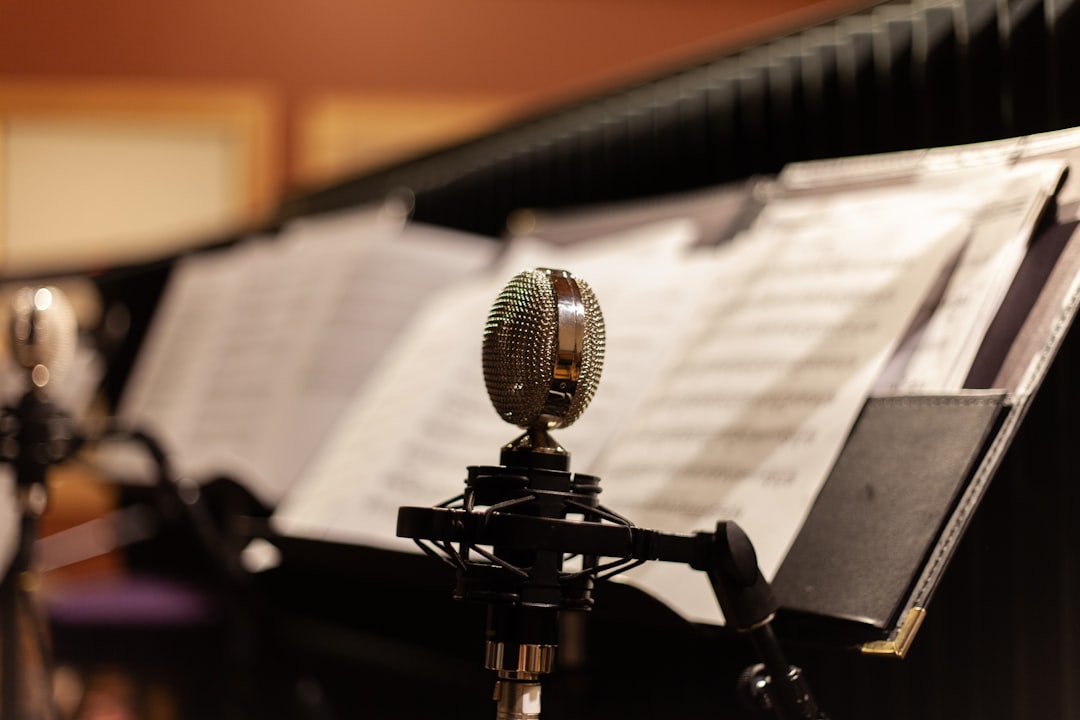
- A quality microphone: A decent condenser microphone can capture the nuances of your performance better than your device’s built-in mic.
- Headphones: Use them to monitor your recordings and ensure you’re capturing the best sound possible without feedback.
- A sturdy stand: Ensure your recording device or microphone is stable to avoid unwanted noise from movement.
Perfecting Your Setup
Your setup plays a crucial role in the overall success of your recording. Positioning your equipment correctly can help you capture the best sound.
Follow these steps for an optimal setup:
- Distance matters: Position your microphone at an appropriate distance from your instrument or voice to capture a balanced sound.
- Angle is key: Experiment with different angles for your microphone to find the sweet spot that captures the richness of your tone.
- Lighting: While sound is your priority, good lighting can enhance the visual appeal of your video if you’re recording one. Natural light is best, but adjustable lamps can help in a pinch.
Embrace the Art of Practice
The phrase “practice makes perfect” rings especially true in the world of self-recording. The more you practice, the more comfortable you’ll feel in front of the camera, and the more polished your performances will become.
Here are some practice tips:
- Record regularly: Frequent recordings help you become familiar with the process and reduce performance anxiety.
- Review your work: Listen to your recordings critically. Identify areas for improvement and celebrate your progress.
- Seek feedback: Share your recordings with trusted teachers or peers to gain constructive insights.
Tackling Technical Hurdles
Technical issues can be frustrating, but they’re part of the process. The key is to remain patient and troubleshooting savvy.
Here’s how to handle common challenges:
- Audio sync issues: Ensure your video and audio are aligned by using reliable recording software, like TakeStage, which minimizes these issues.
- File formats: Familiarize yourself with the file formats required by your submission guidelines to avoid last-minute headaches.
- Backup your work: Always save multiple copies of your recordings to avoid losing your hard work due to technical malfunctions.
Staying True to Your Art
Amidst the technicalities of self-recording, it’s crucial to remain connected to your art. Remember why you’re recording — to share your passion and talent with the world. Let this guide your performance and keep you grounded.
Here are a few reminders to keep your artistry at the forefront:
- Stay authentic: Don’t lose sight of your unique musical voice. It’s your individuality that sets you apart in auditions.
- Embrace imperfections: A perfect recording isn’t the goal; an honest and expressive performance is what truly matters.
- Enjoy the process: Every recording is a step on your musical journey. Celebrate your growth and creativity.
Conclusion: Embrace the Journey
Mastering the art of self-recording is a journey that blends technical skills with musical expression. By understanding your space, selecting the right equipment, perfecting your setup, practicing diligently, and managing technical challenges, you can create recordings that showcase your talent authentically. Remember, platforms like TakeStage are here to ease the technical burdens, allowing you to focus on what truly matters — delivering your best performance. So, embrace the process, trust in your abilities, and let your music shine.
Leave a Reply