

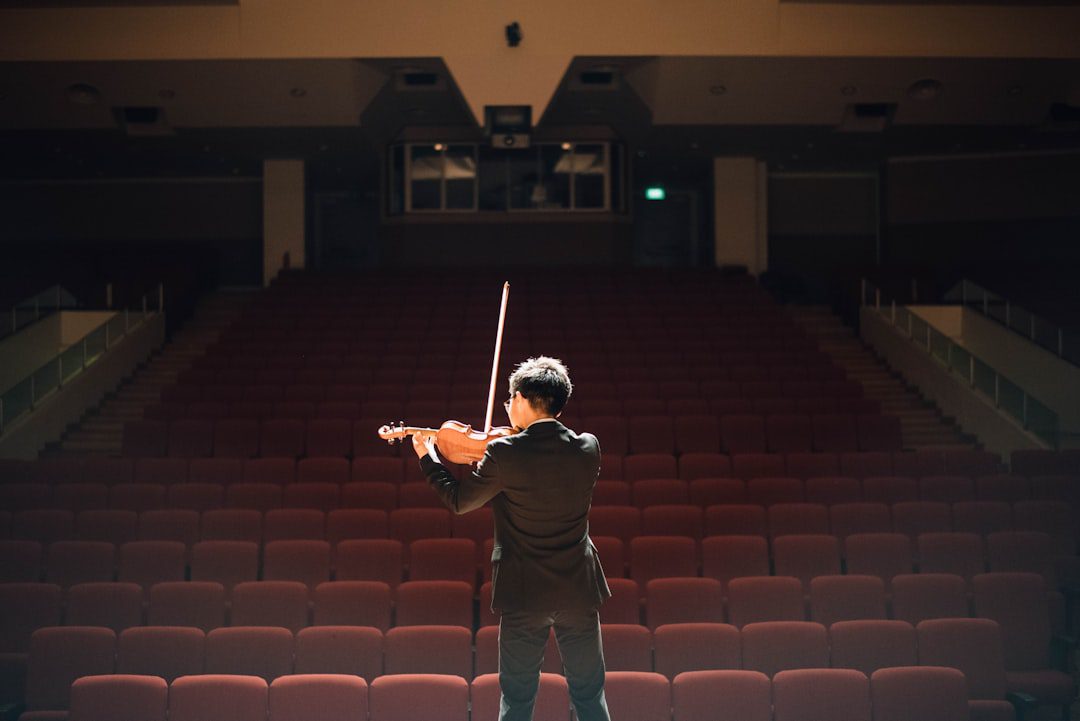
You’ve practiced for months. You know your pieces inside and out. You sit down to record your audition video, hit play, and… something just doesn’t feel right. Maybe the audio sounds hollow, the lighting is off, or you realize halfway through that your phone ran out of storage. Sound familiar? You’re definitely not alone.
Creating a great audition video is about so much more than just playing well. The technical side of things can quietly sabotage even the most talented performers — and the frustrating part is that most of these mistakes are completely avoidable. Whether you’re applying to a conservatory, entering a competition, or submitting a casting tape, here are seven common audition video mistakes and exactly how to fix them.
1. Poor Audio Quality
This is probably the number one killer of otherwise excellent audition videos. If the panel can’t hear your tone clearly, your dynamics get lost, or there’s a constant hum in the background, your performance is already fighting an uphill battle before a single note is judged.
The fix? Record in a quiet, carpeted room whenever possible. Hard floors and bare walls create echo and reverb that muddy your sound. Close windows, turn off fans and air conditioning units, and silence your phone notifications. If you’re using a dedicated recording tool, make sure it’s optimized for acoustic instruments — not just general video calls.
- Avoid recording near appliances like refrigerators or HVAC units
- Clap once before you start to check for room echo
- Do a short test recording and listen back with headphones before your real take
2. Bad Lighting That Hides Your Expression
Audition panels aren’t just listening — they’re watching. Your facial expression, posture, and presence all matter, especially for vocalists and performers in musical theatre. If your face is in shadow or you’re backlit by a bright window, reviewers lose that important visual connection to your performance.
The good news is you don’t need professional lighting equipment. Simply position yourself facing a window during daylight hours, or place a lamp in front of you (not behind). Soft, even light makes a huge difference and costs nothing extra.
3. Shaky or Poorly Framed Camera
A wobbly camera is distracting and unprofessional. It draws attention away from your playing and can even make reviewers feel a little seasick. Similarly, being framed too far away or awkwardly cropped can make your video feel rushed and careless.
Always use a tripod or prop your device on a stable surface. For most instruments, a slightly wider shot that captures both your hands and your face is ideal. Pianists should consider a side-angle view to show hand technique, while vocalists typically look best in a medium close-up from the waist up.
- Check your frame before every take — not just the first one
- Leave a little breathing room above your head in the frame
- Watch your test recording on a larger screen if possible
4. Ignoring the Submission Requirements
Every institution, competition, and casting panel has specific requirements — video length limits, file formats, resolution minimums, and sometimes even specific camera angles. Ignoring these details is one of the fastest ways to get disqualified before anyone even hears you play.
Before you record a single note, read the submission guidelines carefully. Print them out if you have to. Make sure your video meets every technical specification listed, and double-check the deadline. Submitting the wrong file format at the last minute is a stressful, avoidable problem.
5. Starting Without a Warm-Up or Run-Through
Jumping straight into your best take without warming up first is a recipe for a tense, unpolished recording. Your fingers need to be warm, your voice needs to be open, and your mind needs to be in performance mode before the camera starts rolling.
Treat your recording session like a real performance. Warm up fully, run through your pieces at least once, and then record. You’ll notice the difference immediately in your tone, confidence, and overall energy on camera.
6. Too Many Distracting Elements in the Background
A cluttered background, a pet wandering through the shot, or laundry piled on a chair — these things pull focus away from your performance. Reviewers are human, and visual distractions are hard to ignore.
Keep your background clean and neutral. A plain wall, a simple bookshelf, or a music stand with nothing on it works perfectly. The goal is to make you the most interesting thing in the frame.
7. Giving Up After One Take
Many performers hit record, make one mistake, and convince themselves the whole session is ruined. But the best audition videos rarely come from the first take — or even the fifth. Recording is a process, and it takes time to settle into your performance energy on camera.
Give yourself permission to record multiple takes without judgment. You might be surprised to find that take seven feels completely different from take one — more relaxed, more musical, more you. The goal isn’t perfection; it’s authenticity.
- Take short breaks between takes to reset mentally
- Don’t watch every take immediately — it can make you overly self-critical
- Choose your best take with fresh ears, ideally the next day
The Bottom Line
Great audition videos come from great performances — but technical mistakes can prevent even the most talented musicians from making the impression they deserve. The good news is that every single mistake on this list is fixable, and most of them don’t require expensive equipment or technical expertise. They just require a little preparation and awareness.
By taking care of your audio quality, lighting, framing, and submission details ahead of time, you free yourself up to focus on what actually matters: your music. When the technical side is handled, you can walk into your recording session with confidence and let your playing speak for itself. And that’s exactly where your energy belongs.
Leave a Reply