

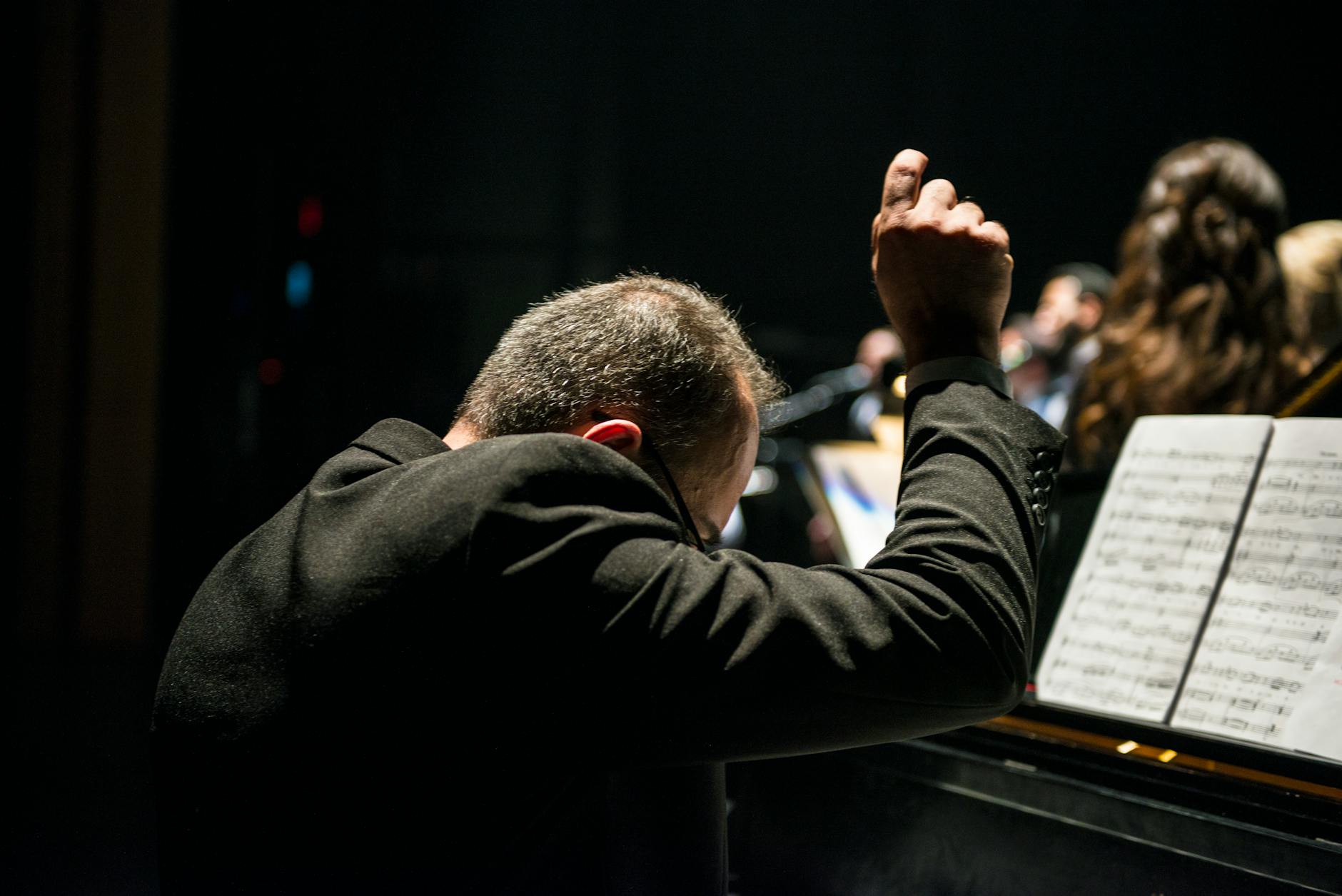
Imagine spending years perfecting your craft — early mornings at the piano, countless hours of scales, repertoire memorized note by note — only to feel like the audition process itself is working against you. That was exactly the situation Maya found herself in during her senior year of high school. A genuinely talented pianist with a deep love for classical music, she had her heart set on a top conservatory program. There was just one problem: she had no budget for a professional recording studio.
What happened next is the kind of story that gives aspiring musicians real hope. Maya didn’t let the lack of resources stop her. Instead, she got creative, stayed focused on what she could control, and used the right tools to put together an audition tape that landed her a spot at her dream conservatory. Here’s how she did it — and what you can take from her experience.
The Reality of Audition Recordings Today
For many music students, the audition process has shifted significantly over the past few years. Pre-screening video submissions are now a standard part of applications to conservatories, university music programs, and competitions. Schools want to see your playing before they invite you to a live audition — which means your recording is often the very first impression you make.
This shift has created a new kind of pressure. Suddenly, it’s not just about how well you play. It’s about how well your playing comes across on video. And for students without access to professional studios or expensive equipment, that can feel like an impossible gap to bridge.
Why She Refused to Let Budget Be the Barrier
Maya’s family simply couldn’t afford to book a recording studio. Professional sessions can run hundreds of dollars per hour, and when you factor in editing and post-production, the costs add up fast. For many families, that’s just not realistic.
But Maya made a decision early on: she wasn’t going to let the technical side of the audition process overshadow the years of work she had put into her music. She started researching alternatives and quickly realized that the tools available to musicians today are far more powerful than most people realize. The key was finding something designed specifically for performers — not just a generic video app.
Choosing the Right Platform Made All the Difference
After some research, Maya discovered TakeStage, an iOS app built specifically for musicians and performers creating audition recordings. Unlike standard video tools or file-sharing platforms, TakeStage was designed with the audition process in mind from the ground up.
What stood out to her immediately was how straightforward it was to use. There was no steep learning curve, no complicated editing software to wrestle with, and no need for extra gear. She could record, organize, and share her performances in a professional format — all from her phone. For a student working with limited resources, that simplicity was everything.
How She Prepared Her Recordings
Once Maya had the right platform, she focused her energy on the things that actually matter in an audition: her performance. Here’s how she approached the recording process:
- Chose her space carefully. She recorded in her school’s practice room during off-hours, where the acoustics were clean and background noise was minimal.
- Ran multiple takes. TakeStage made it easy to record several versions and keep them organized, so she could choose her best performance without losing track of files.
- Kept the setup simple. No elaborate lighting rigs or camera stands — just her, the piano, and her phone positioned at a good angle.
- Focused on musicality, not perfection. She reminded herself that admissions panels are listening for artistry and expression, not just technical accuracy.
This approach kept her calm and focused. Instead of stressing about equipment, she was thinking about phrasing, dynamics, and the story she wanted to tell through her music.
What Conservatories Are Actually Looking For
It’s worth remembering what admissions panels genuinely care about when they review pre-screening recordings. They’re not expecting Hollywood production values. They want to hear your musical voice clearly and see your technique without distraction. A clean, well-lit video with good audio quality is absolutely sufficient — and that’s entirely achievable without a studio budget.
What will hurt your chances is a recording where the audio is muffled, the framing cuts off your hands, or the background is chaotic and distracting. Those are technical issues that pull attention away from your playing. Avoiding them doesn’t require expensive equipment; it just requires a little thoughtfulness and the right tools.
The Mindset Shift That Changed Everything
Perhaps the most important part of Maya’s story isn’t the tools she used — it’s the mindset she brought to the process. She stopped thinking of the recording as a separate, intimidating task and started treating it as an extension of her practice. Every time she sat down to record, she approached it the same way she would approach a performance: with intention, preparation, and presence.
That shift made a huge difference. Her recordings felt alive because she wasn’t stiff or self-conscious in front of the camera. She had practiced performing for the lens the same way she had practiced performing for an audience.
Lessons Every Music Student Can Apply
Maya’s journey holds some genuinely useful lessons for any musician preparing audition recordings, regardless of their instrument or the program they’re applying to:
- Your talent is the product. Technology is just the delivery mechanism. Don’t let the technical side overshadow what you’ve spent years building.
- Use tools built for your purpose. Generic apps and platforms add friction. Purpose-built tools like TakeStage remove it.
- Practice performing, not just playing. Record yourself regularly so the camera stops feeling like a barrier.
- Keep your environment simple and controlled. A quiet room and good natural light can go a long way.
- Give yourself time. Don’t leave recordings to the last minute. Multiple takes and a little breathing room make a real difference.
The Outcome and What It Means
Maya got in. She received an acceptance to her first-choice conservatory program, and she’s now studying with the teacher she had dreamed of working with for years. When she reflects on the audition process, she’s quick to point out that the recording wasn’t the reason she succeeded — her playing was. But having a platform that made the recording process simple and stress-free meant she could show up as her best musical self.
That’s really the whole point. The audition process should be about your music. When the technical barriers are removed, you’re free to focus on what you’ve always been best at — performing. Maya’s story is a reminder that limited resources don’t have to mean limited opportunities. With the right approach and the right tools, the stage is yours to take.
Leave a Reply