

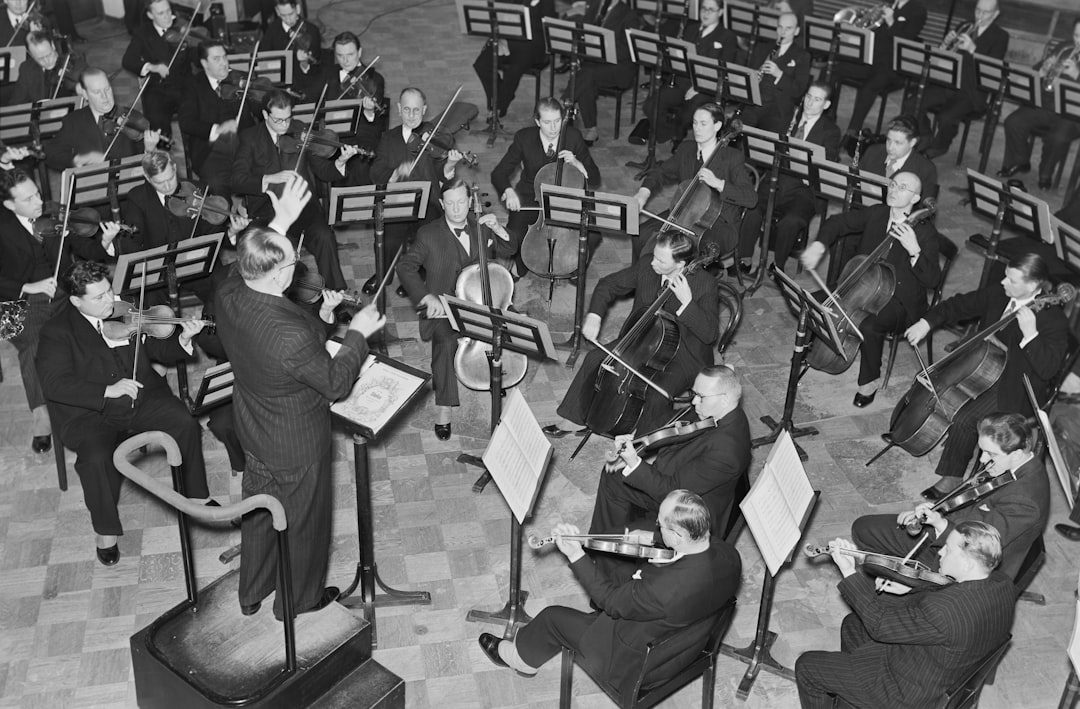
Recording your music performances has never been more important — whether you’re submitting an audition tape, entering a competition, or simply building your online portfolio. But here’s the thing: not all musical formats are created equal when it comes to recording. A solo piano piece, a string quartet, and a wind ensemble each come with their own set of challenges, and knowing how to handle each one can make a huge difference in the final result.
The good news? You don’t need a professional studio or a degree in audio engineering to capture a great performance. With the right approach and a few smart strategies, you can produce recordings that truly showcase your talent — no matter what format you’re performing in. Let’s break it down, format by format.
Whether you’re a high school musician preparing for college auditions or a seasoned performer building your digital presence, these tips will help you record with confidence and clarity.
Understanding What Makes Each Format Unique
Before you hit record, it’s worth taking a moment to think about what makes your specific format special — and what makes it tricky. Solo recordings are all about you: every nuance, every breath, every subtle dynamic shift is on full display. There’s nowhere to hide, but there’s also a beautiful intimacy to it.
Chamber music and ensemble recordings, on the other hand, are about balance and blend. The goal is to capture the group as a cohesive unit while still letting individual voices come through when they need to. That’s a delicate balance, and it requires some thoughtful planning before you press play.
Recording Solo Performances: Letting Your Voice Shine
When recording a solo, your biggest priority is capturing the full range of your performance — tone, dynamics, expression, and technique. Here are a few things to keep in mind:
- Choose a quiet space with good natural acoustics, like a practice room, small hall, or even a carpeted living room.
- Position your camera or device at a slight angle — not straight-on — so viewers can see your hands, posture, and facial expression.
- Do a test recording first to check for background noise, lighting, and sound quality before committing to a full take.
- Record multiple takes and listen back critically. You’ll often notice things on playback that you didn’t feel in the moment.
For pianists and other instrumentalists, make sure the full instrument is visible in the frame when possible. For vocalists, a clean, uncluttered background keeps the focus where it belongs — on you and your voice.
Capturing Duos and Small Ensembles
Recording a duo or small chamber ensemble introduces the challenge of balance. Two instruments need to sound like they’re in conversation, not competition. The key is finding a recording position that captures both performers equally without one overpowering the other.
Try placing your recording device slightly in front of and between the two performers, elevated to about chest height. This tends to give a natural, balanced stereo image. If one instrument is naturally louder (say, a violin paired with a guitar), you may need to adjust positions slightly to compensate.
Communication is everything in chamber music, and that should come through in your recording too. Make sure the frame captures both performers clearly so that viewers can see the musical dialogue happening between you.
Recording Larger Ensembles and Chamber Groups
String quartets, wind quintets, piano trios — larger chamber groups require a bit more planning. With more instruments in the mix, the risk of muddiness or imbalance increases significantly.
- Use a wider frame to capture the full group, but make sure no one is cut off at the edges.
- Record in a space with some natural reverb, like a small concert hall or rehearsal room, to give the sound depth and warmth.
- Avoid recording in overly dry rooms — the sound can feel flat and lifeless, which doesn’t do justice to ensemble playing.
- Consider a slight distance between the device and the ensemble so the sound has room to blend before it reaches the microphone.
One often-overlooked tip: run a full rehearsal as a recording session before your actual recording day. This lets everyone get comfortable with the setup and helps you identify any acoustic or visual issues in advance.
Lighting and Visuals: Don’t Overlook the Obvious
Great audio can be undermined by poor visuals, and for audition recordings especially, presentation matters. Natural light is your best friend — position performers facing a window rather than with their backs to it. Avoid harsh overhead lighting that creates unflattering shadows.
For ensemble recordings, make sure every performer is well-lit and clearly visible. Reviewers and adjudicators want to see the whole picture, and a dark or cluttered frame can distract from an otherwise excellent performance.
Managing Acoustics in Different Spaces
The room you record in shapes the sound just as much as the instrument itself. Hard surfaces like tile floors and bare walls create reflections that can make recordings sound harsh or echoey. Soft furnishings — curtains, rugs, upholstered furniture — absorb sound and reduce unwanted reverb.
For solo recordings, a slightly dampened room often works well, giving clarity to every note. For ensembles, a bit more natural reverb can help the group blend and sound more cohesive. Experiment with different spaces and always listen back on headphones to catch issues you might miss through speakers.
Using the Right Tools Without Overcomplicating Things
Here’s a truth that a lot of musicians discover the hard way: more gear doesn’t always mean better recordings. Spending hours wrestling with microphones, cables, and editing software can drain your energy and pull your focus away from the actual performance.
Purpose-built platforms like TakeStage are designed specifically for this kind of challenge. Instead of piecing together a recording setup from scratch, you can use a tool that’s built for musicians and performers — one that handles the technical side so you can stay focused on playing your best. For auditions, competitions, and applications, that kind of streamlined approach can be a genuine game-changer.
The best recording setup is the one that gets out of your way and lets your music speak for itself.
Preparing Mentally and Musically Before You Record
Technical preparation is only half the battle. The other half is showing up mentally ready to perform. Treat your recording session like a real performance — warm up properly, run through the repertoire, and give yourself time to settle into the space before you start rolling.
For ensemble recordings, do a brief check-in with your fellow performers about tempo, dynamics, and any tricky transitions. A quick conversation before recording can prevent a lot of retakes later.
Bringing It All Together
Recording chamber music, solos, and ensembles each comes with its own set of considerations, but the core principles remain the same: prepare thoughtfully, set up your space carefully, and keep the focus on the performance itself. Whether you’re a solo violinist preparing a conservatory audition or a string quartet entering a competition, the quality of your recording can genuinely reflect the quality of your artistry.
By understanding the unique demands of each format — and using tools designed to support rather than complicate the process — you’ll be in a much stronger position to present your talent professionally and confidently. The music is the message. Make sure your recording lets it come through loud and clear.
Leave a Reply